How can I implement strategies and activities within my elementary classroom that cover these 3 OETS STANDARDS:
2. Communication and Collaboration: Today, unlike any other time before, we live in a global community. We no longer have physical, or technological boundaries that divide us. We have cell phones, email, multi-media outlets and face to face online chatting. People from all over the world are able to become partners in a digital community. We are able to see, study, communicate and collaborate with any one, any where, any time. It is an exciting time in that there are not longer barriers to keep us separated and distant. In a classroom setting, there are many uses for this type of technology that could be incorporated into lesson plans. One way I would use the internet as a tool for communication is to find a classroom in another country that our class could skype with. This would allow both classrooms of students to interact with people from different ethnic backgrounds, possibly differing languages, and culture. We could set up a weekly meeting where we talk about how we live, how they live, what their kids like to do, what we like to do, etc. This could be used in a social studies lesson about a different country and what it is like there. Instead of reading pages on a book, children are actively engaged with actual members of that society. By seeing how other people live, it would also give kids a chance to see that most people are not that different from the way we are. It could promote curiosity and tolerance of differing cultures and traditions.
 3. Digital Citizenship:When we think about creating digitally literate students, we must be careful in our pursuits. We must emphasis that technology must be used as a tool to facilitate better, more creative and innovated strategies inside and outside the classroom. It is our duty to show children that we must use these resources wisely and with discretion. We need to show our students that just because it is on the internet does not make it true, and that just like a book, we cannot simply cut and past someone's work and make it our own. We must give clear examples of how and when it is appropriate to use these technologies. An example of what I can do in my classroom to encourage these types of uses would be first to set aside time on a weekly basis to use a plethora of things like the Ipad, Ipod, camcorder, laptop, windows, excel, word and others so that my kids are exposed to different kinds of digital tools. Then once everyone is familiar and comfortable using with the different technology introduced, I would incorporate them into my lessons. I could use excel and spreadsheets in a math lesson to show ratios and percentages of items. I could let the kids use an app like scrabble on the ipad to hone their spelling skills. I could let students use camcorders to record a presentation to share with the class. There are many, many uses in a classroom setting for all types of technology. As long as we as teachers are promoting useful ways of using these items and showing students how to be responsible with their use.
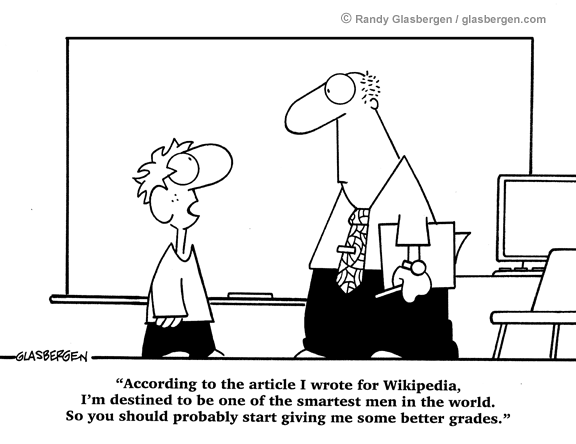
How can we overcome some of the roadblocks that we might find in a school setting when implementing these types of standards?......
A major roadblock that I see as we try to stay up to date on technology standard in the classroom is funding. Technology changes so fast, and is expensive to use. For a brand new school, newer more innovative technology is built into the scheme of the classroom. For older, outdated and low funded schools, it is difficult to keep up with these types of applications. Along with tight budgets, sometimes administration and staff are reluctant and slow to use the new educational technology available. Some may feel that they do not need to learn to use such strategies to be a good teacher, and some may be fearful that they are unable to understand how to use it. I have seen this in my own experiences with even simple things. The district where I sub has just employed a subfinder system. I have heard teachers say they are scared to use it, don't know what they are doing, and feel reluctant about it. If we are going to be able to teach the future of our society, then we must keep up with the technology that they are using. We must show them how to use it wisely. When utilized properly, educational technology opens doors of learning opportunities that have never been available before. The scope and breadth of learning is so great in this day and age, that by not using these strategies in our classrooms we are doing our students a disservice.

Your openness and willingness to be a lifetime learner will become a real asset to your students. Your modeling of appropriate use of technology to enhance teaching and learning will hopefully impact your fellow staff that are a little reluctant or fearful. I liked your initial activity of having kids brainstorm new possibilities ...
ReplyDelete